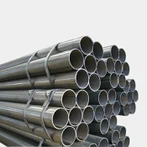
Steel pipes used for fire fighting applications are typically required to meet specific standards and requirements to ensure they can safely and effectively transport water or fire suppression agents. The most common type of steel pipes used for fire fighting are known as "fire sprinkler pipes" or "fire protection pipes." These pipes are designed to withstand high pressure, heat, and potential fire exposure. Here are some key characteristics of steel pipes suitable for fire fighting:
1. Schedule 40 or Schedule 10: Schedule 40 steel pipes are commonly used for fire sprinkler systems. They are made of black or galvanized steel and are known for their durability and strength. Schedule 10 pipes, while less common, are used in low-pressure fire sprinkler systems.
2. UL Listed or FM Approved: Fire sprinkler pipes should meet the standards and regulations set by organizations like Underwriters Laboratories (UL) or Factory Mutual (FM). These organizations test and certify pipes and fittings to ensure they meet the necessary safety and performance standards.
3. Galvanized Steel: Galvanized steel pipes are coated with a layer of zinc to protect against corrosion. This coating is essential to prevent rust and maintain the integrity of the pipes over time.
4. Threaded or Grooved Ends: Fire sprinkler pipes can have either threaded or grooved ends, depending on the installation method. Threaded ends are commonly used for smaller pipe sizes, while grooved ends are preferred for larger sizes. The choice between the two depends on the specific fire protection system and its requirements.
5. Welded or Seamless: Both welded and seamless steel pipes can be used in fire protection systems. Seamless pipes are often preferred for high-pressure applications because they have no seams that could weaken the pipe.
6. Corrosion Resistance: Corrosion is a significant concern in fire sprinkler systems, as the pipes may sit for long periods without use. Corrosion-resistant coatings and materials are often applied to protect the pipes from degradation.

7. Pressure Rating: Fire sprinkler pipes must have a pressure rating suitable for the specific fire protection system they are part of. The pressure rating is typically indicated on the pipe or specified in the design standards.
8. Size: The size of the pipe will depend on the flow and pressure requirements of the fire protection system. Common sizes for fire sprinkler pipes range from 1/2 inch to 12 inches in diameter.
9. Compliance with Local Codes: Fire protection systems are subject to local building codes and regulations. It's crucial to ensure that the selected steel pipes and fittings comply with the codes in your area.
It's essential to consult with a qualified fire protection engineer or contractor to determine the exact specifications and requirements for steel pipes in your fire fighting system. They will consider factors like water supply, building size, occupancy type, and local codes to select the appropriate materials and design for your specific application.